Hair Mask Manufacturer in India
A hair mask manufacturer makes a rich, high-conditioning cream with more fatty alcohols, oils and repair ingredients than a conditioner, to be left on for several minutes. Formuluxe makes hair masks from 1,000 units under private label.
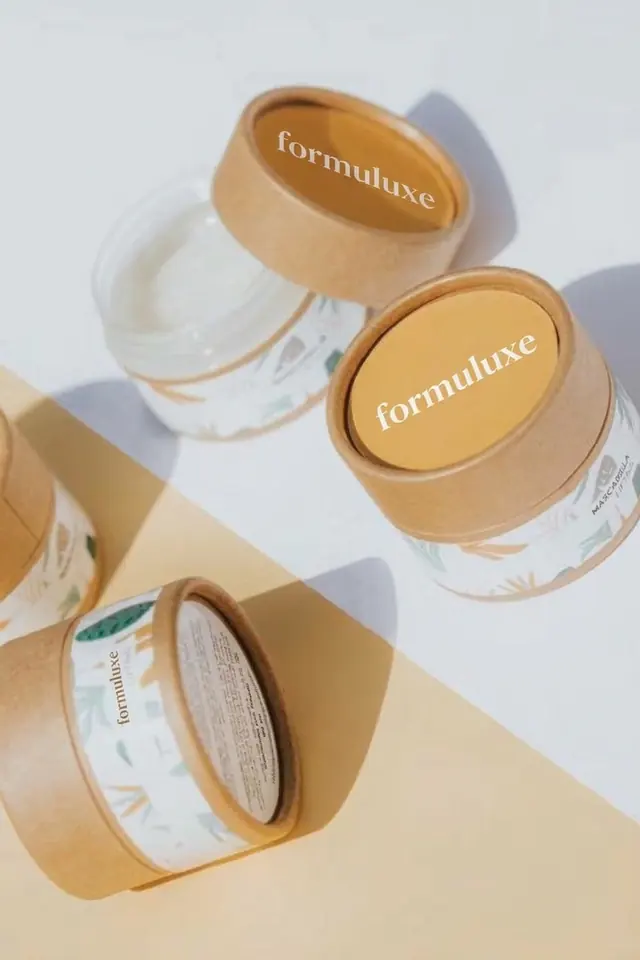
Hair mask types
| Mask | Main ingredients | For |
|---|---|---|
| Deep conditioning mask | Shea butter, fatty alcohols, conditioning agent | Dry, rough hair |
| Protein repair mask | Hydrolysed proteins, amino acids, panthenol | Weak, damaged hair |
| Hair spa cream | Rich cream with oils, used with steam or a warm towel | Salon and at-home spa positioning |
| Anti-frizz mask | Silicone or smoothing polymers, oils | Humid climates, curly hair |
| Colour-care mask | Mild acidic base with antioxidants | Coloured hair |
Masks are usually more concentrated than conditioners. A little goes a long way, which supports a higher price per millilitre.
What makes a mask different from a conditioner
A conditioner is for every wash and a mask is for once or twice a week. A mask usually has more fatty alcohol, more oil and more conditioning agent, so it leaves a heavier film that needs a few minutes to work and a thorough rinse.
Avoiding the greasy mask
A mask that coats the hair but rinses poorly leaves it limp. We balance the oils with enough emulsifier and cationic agent to rinse clean, then test it on hair swatches and with salon users.
If your brand also sells a lighter product, look at the hair conditioner page and keep the two products clearly different in texture and use.
Jar or tube?
| Pack | Good for | Watch out for |
|---|---|---|
| Jar, 200 to 500 g | Premium look, salon back-bar | Fingers can add contamination; add a spatula or use a pump jar |
| Squeeze tube, 100 to 200 g | Hygienic, travel-friendly | Thick creams need a wide nozzle |
| Sachet, 15 to 30 g | Trials and single-use salon packs | Different filling setup, check minimums |
How we develop a hair mask
We choose the hair concern first: dry, damaged, coloured or frizzy. Each calls for a different mix of butter, oil and protein. We test the sample with a repeated wash-and-rinse routine.
Next, we tune the texture. A mask that is spoonable in the jar must also spread easily in wet hair.
A weekly treatment with higher value
Masks are used less often than conditioners, so customers pay more per use. This suits premium positioning and gift sets. Sell them with a dedicated routine card.
MOQ and lead time for hair mask
| Route | Minimum order | Typical timeline |
|---|---|---|
| Private label (ready formula under your brand) | 1,000 units | 4 to 6 weeks |
| Third-party (our lab makes your custom formula) | 2,000 units | 6 to 8 weeks |
| Bulk manufacturing | 5,000 units | Quoted per order |
Samples are free and you pay shipping only. Request a sample once you have decided the product and the pack. Price depends on the formula, the pack and the quantity, so we quote after the brief. Read how to price your product before you fix a selling price. See how it works for the steps from brief to delivery.
Inside a hair mask
| Ingredient (INCI) | Role | Note |
|---|---|---|
| Cetearyl alcohol | Creamy body | Higher level than in a conditioner |
| Behentrimonium methosulfate | Conditioning | Higher level for deep repair |
| Butyrospermum parkii (shea) butter | Softness and richness | Adds weight; keep the level balanced |
| Hydrolysed keratin, wheat protein | Repair feel | Add strength to damaged hair |
| Argan, coconut, almond oils | Nourishment | Keep to what rinses clean |
| Panthenol | Shine | Common support |
Tests that matter
Hair mask mistakes
Hair Mask: common questions
How often should customers use a hair mask?
Once or twice a week for most hair types. Your instructions should say so on the pack.
What is the difference between a hair mask and a hair spa cream?
A hair spa cream is a mask designed for use with warmth or steam, often in a salon. The formula and claims are similar; the positioning differs.
Can a mask contain keratin?
Yes. Hydrolysed keratin is a common protein in repair masks. See the keratin shampoo page for the claims to avoid.
How long should a mask stay on hair?
Usually five to ten minutes. State this clearly on the pack.
Can I make a hair spa cream for salons?
Yes. Larger packs and a heavier formula suit salon use.
Planning a hair mask?
Tell us the active, the pack and the quantity. Free samples, you pay shipping only.