Vitamin C Serum Manufacturer in India
A vitamin C serum manufacturer formulates the serum at the right pH, picks a stable form of vitamin C and fills it in a pack that blocks air and light. Formuluxe does this from 2,000 units under third-party manufacturing.
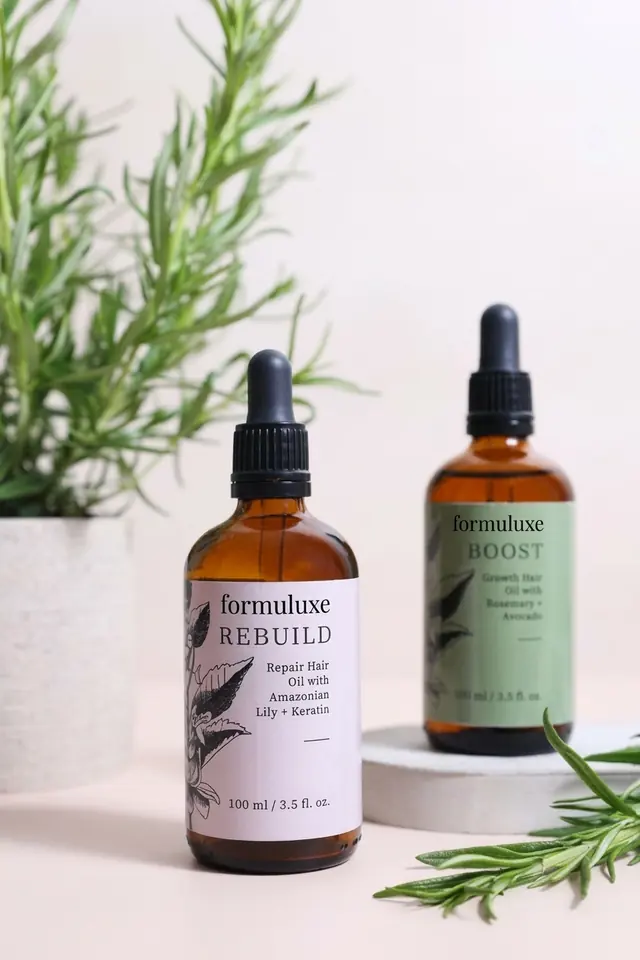
Vitamin C serum options
We build vitamin C serums in four common styles. Your choice decides the price, the stability and the customer you attract.
| Style | Vitamin C form | Who it suits |
|---|---|---|
| 10% serum | L-ascorbic acid | First-time users and sensitive skin |
| 15% serum | L-ascorbic acid | The most common retail strength |
| 20% serum | L-ascorbic acid | Experienced users, a premium positioning |
| Gentle or oil-friendly serum | Ethyl ascorbic acid, sodium ascorbyl phosphate or ascorbyl glucoside | Sensitive skin, easier stability, a softer claim |
Add ferulic acid and vitamin E to a 15% L-ascorbic acid serum and you get the well-known “C+E+ferulic” blend, which is more stable than vitamin C alone.
Which vitamin C is right for your brand?
L-ascorbic acid is the pure, best-studied form. To work, it needs an acidic serum, usually below pH 3.5. That makes it more likely to sting, and it oxidises faster. Derivatives are milder and keep longer, but you need a different expectation of strength.
Why vitamin C serums turn orange
Vitamin C loses electrons to oxygen, heat and light. The serum first turns yellow, then orange, then brown. The product is not dangerous, but it is losing strength and customers read the colour as spoilage.
Our lab runs stability and packaging-compatibility checks before production, so the pack you pick is part of the formula, not an afterthought.
What you can say on the label
Brightening, even-looking tone and antioxidant protection are cosmetic claims. Claims about treating pigmentation, healing skin or removing scars move into drug territory and need care. Percentages on the label should match the finished product, since vitamin C degrades.
See our guide to cosmetic claims in India before you finalise your label copy.
How a vitamin C serum is developed
We start from the form of vitamin C your customer can afford and tolerate. A premium 15% L-ascorbic acid serum with ferulic acid is a different project from a gentle derivative serum for sensitive skin, even though both are called vitamin C serum on the shelf.
Choose the form and strength
Pure L-ascorbic acid, a derivative, or a blend.
Set the pH and solvent system
Low pH for L-ascorbic acid; a gentler pH for derivatives.
Pick antioxidants and humectants
Ferulic acid, vitamin E and hyaluronic acid.
Select the pack
Airless pump, amber dropper or opaque bottle.
Stability and review
Test in the final pack and adjust.
Samples are free. You pay shipping only.
Selling vitamin C to Indian customers
Indian customers search for vitamin C serum for glow, dark spots and tan. They compare strengths, and many have seen a serum turn orange. A clear statement on the box about the form of vitamin C, the pH-appropriate storage and the use-within period after opening builds trust.
Put the use instruction where customers see it: apply to clean skin in the morning, follow with a moisturiser and always finish with sunscreen. A short routine card inside the box reduces returns.
MOQ and lead time for vitamin c serum
| Route | Minimum order | Typical timeline |
|---|---|---|
| Private label (ready formula under your brand) | 1,000 units | 4 to 6 weeks |
| Third-party (our lab makes your custom formula) | 2,000 units | 6 to 8 weeks |
| Bulk manufacturing | 5,000 units | Quoted per order |
Samples are free and you pay shipping only. Request a sample once you have decided the product and the pack. Price depends on the formula, the pack and the quantity, so we quote after the brief. Read how to price your product before you fix a selling price. See how it works for the steps from brief to delivery.
Inside a typical vitamin C serum
| Ingredient (INCI) | Role | Note |
|---|---|---|
| Ascorbic acid | Pure vitamin C, antioxidant and brightener | Needs low pH; oxidises fastest |
| 3-O-ethyl ascorbic acid | Stable, water-soluble derivative | Works at a milder pH |
| Ferulic acid and tocopherol | Antioxidant partners | Stabilise L-ascorbic acid and boost its protection |
| Sodium hyaluronate | Humectant and slip | Cushions the sting of an acidic serum |
| Propanediol or glycol | Solvent | Keeps actives dissolved and helps penetration |
| Preservative | Microbial safety | Must work at pH below 4 |
Vitamin C serums are among the hardest to preserve because a low pH narrows the choice of preservatives. Our formulators check this early.
The tests that matter for vitamin C
What goes wrong with vitamin C serums
Build a range around a vitamin C serum
A vitamin C hero product works best with a gentle vitamin C face wash, a hyaluronic acid serum for comfort, and a sunscreen. If dark spots are your focus, add an alpha arbutin serum.
Read our guide to the hero product and first range to decide what to launch first.
Vitamin C Serum: common questions
What is the best percentage for a vitamin C serum?
There is no single best number. L-ascorbic acid works from about 5% upward and is commonly sold at 10 to 20%. Stable derivatives are used at different levels. We help you match the percentage to your customer’s skin.
Can I make a vitamin C serum with 1,000 units?
Yes, under private label. If our lab develops a new formula for you, third-party manufacturing starts at 2,000 units.
How long does a vitamin C serum last?
Shelf life depends on the form of vitamin C and the pack. We set it from stability results in your actual pack rather than assuming a number.
Can the serum have more than one active?
Yes. Vitamin C with niacinamide, hyaluronic acid or ferulic acid is common. We check that the pH works for every active.
Why does my vitamin C serum smell like metal or burnt sugar?
That is oxidised vitamin C. It signals the serum has lost strength. A better pack and an antioxidant system slow this.
Is the orange colour harmful?
It is not usually harmful, but it means the serum is degraded. Aim for a product that stays pale through shelf life.
Do I have to put vitamin C in the morning?
It protects against environmental stress, so many customers use it in the morning, always with sunscreen. Evening use is also fine.
Show all 8 questionsShow fewer questions
Can I make a vitamin C serum with essential oils?
We avoid them. Essential oils can destabilise vitamin C and irritate skin.
Planning a vitamin c serum?
Tell us the active, the pack and the quantity. Free samples, you pay shipping only.