How to Choose Cosmetic Packaging That Suits Your Product
Packaging is the first thing a customer touches, and it affects how long your formula lasts. The right pack protects the product and fits your brand.

How to choose cosmetic packaging: match the pack to the product
| Product | Common packs | Why |
|---|---|---|
| Cleansers and shampoos | Bottles with flip-top or pump | Easy to dispense, suits liquids and gels |
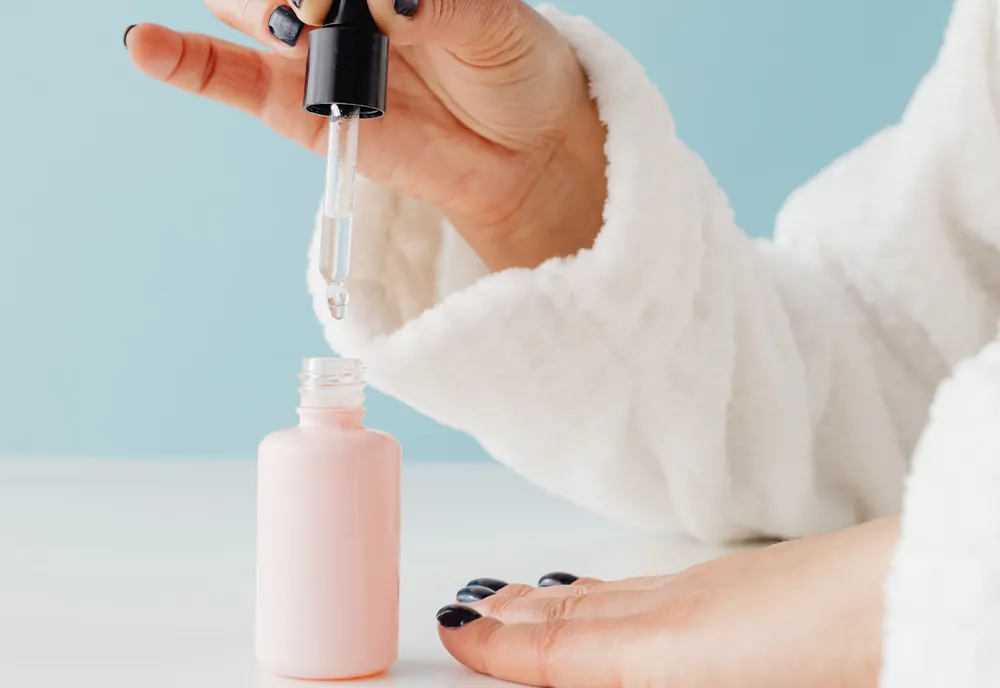
| Serums and oils | Dropper bottles, small pumps, airless packs | Precise dose; dark glass or airless protects actives |
| Creams and balms | Jars, tubes, airless pumps | Jars suit thick creams; tubes and airless packs limit contact with air and fingers |
| Sunscreens | Tubes and flip-top bottles | Easy to squeeze and spread |
| Lip and small products | Sticks, small tubes, pots | Portable and precise |
| Perfumes and mists | Spray bottles with fine-mist pumps | Even spray and controlled scent release |
The packaging and labelling team at Formuluxe can suggest options for each product, and you can browse formats on our product category pages.
Packaging does five jobs, and your choice should serve all of them
Protect the formula
From air, light, moisture, contamination and leakage.
Deliver it properly
A pump, dropper, tube or jar changes how much product comes out and how easily.
Carry the legal information
The label or box must have room for every required detail.
Tell your brand story
Shape, colour, finish and weight shape how customers feel about the product before they open it.
Survive transport
Products are packed, shipped and handled many times before they reach a customer.
Most packaging problems come from over-weighting the brand job and ignoring the other four. A beautiful bottle that leaks in transit damages the brand more than a plain bottle that arrives perfectly.
Check compatibility before you fall in love with a design
Always test the formula inside the actual pack. That is why we check your product for fit with the packaging you choose, as part of stability testing.
Common packaging materials compared
| Material | Good for | Watch out for |
|---|---|---|
| Glass | Serums, oils, fragrances; premium feel; good barrier | Weight, breakage in shipping, higher cost |
| PET plastic | Lotions, toners, shampoos; clear and light | Some oils and fragrances can interact; check compatibility |
| HDPE and PP plastic | Creams, body lotions, hair care, jars and tubes | Less premium look; may need testing with strong actives |
| Aluminium | Sunscreens, tubes, aerosol cans | Needs internal lining for some formulas |
| Laminate tubes | Creams and gels; squeezable | Minimums for custom print can be high |
| Airless pumps | Preservative-sensitive or oxygen-sensitive formulas | Higher cost; make sure the viscosity suits the pump |
Ask your manufacturer which materials they have already tested with the formula you chose. Using a tested pack saves weeks of compatibility work.
Minimums, lead times and waste rules
Packaging suppliers set their own minimum orders. Stock packs usually allow small orders, while custom shapes, colours and printed cartons need larger runs. Read more in our guide to the cosmetic minimum order quantity.
Brands that use plastic packaging may also need to check Extended Producer Responsibility (EPR) rules from the Central Pollution Control Board. Our compliance checklist mentions it.
Pumps, droppers, tubes and jars: matching format to formula
Match the format to the way your customer uses the product. A face wash used in the shower works better as a pump or flip-top, a night cream as a jar or an airless pump and a sunscreen as a tube.
Make the pack look like your brand
Colour, material and shape tell customers what to expect. Frosted glass feels premium and clean. Bright tubes feel playful and affordable. Decide your brand feeling first, then choose the pack that expresses it within your budget.
Remember that the label also has to carry legal details. See cosmetic label requirements in India before you finalise artwork.
Sustainable packaging and the rules brands need to know
Customers increasingly notice packaging waste. Sustainable choices include lighter packs, mono-material plastics that are easier to recycle, recycled content where the formula allows it, refills and avoiding unnecessary outer boxes.
In India, producers, importers and brand owners who place plastic packaging on the market have responsibilities under the Plastic Waste Management Rules, 2016, as amended, including Extended Producer Responsibility. Details change, so check the current requirements on the CPCB website and ask your manufacturer how plastic packaging is handled in your supply chain.
How to keep packaging costs under control
Every packaging decision interacts with minimums. See cosmetic minimum order quantities for how.
What to test before approving a pack
| Test | What it finds |
|---|---|
| Compatibility | Whether the formula changes the pack or the pack changes the formula |
| Leak and drop test | Leaks from caps, pumps and seams; breakage when dropped |
| Pump delivery check | How much comes out per press and whether it clogs |
| Label adhesion | Peeling, wrinkling or smudging with oil and moisture |
| Transport test | Whether cartons protect products on a rough journey |
| Fill level check | Whether the declared quantity is achieved with the chosen pack |
Ask your manufacturer to run these on filled samples, and run a few of your own: shake, squeeze, drop and leave a sample on its side overnight.
Match the pack to how the customer uses it
| Where it is used | Good choices | Why |
|---|---|---|
| In the shower | Pump bottle, flip-top, squeeze tube | Easy to use with wet hands; not breakable |
| On the vanity | Glass dropper, airless pump, jar | Looks good on display and dispenses a controlled amount |
| On the go | Small tube, spray, stick | Light, leak-resistant, travel-size |
| Gifting | Box with glass bottle or jar | Premium feel and extra space for story and legal text |
| Professional use | Large pump bottle or refill pouch | Value for money and less waste |
Think about the customer’s hands, bathroom and bag. Packaging that suits the moment of use gets better reviews than packaging chosen only for how it looks in a photograph.
Eight questions to ask a packaging supplier
What is the minimum order for this exact item?
Check bottle, cap, pump and label separately.
What is the lead time, and what delays it?
Printing, decoration and moulds add time.
What material is it, and what is its barrier?
Ask about oxygen, light and moisture.
Can I have free samples?
Fill them with your formula before ordering.
What are the tolerances?
Neck size, thread and cap fit decide whether the closure seals.
Is the decoration durable?
Ask how the print or foil behaves with oil and alcohol.
What happens if there are defects?
Agree an acceptable defect rate and a replacement policy.
Can you supply the same item again?
Reorder consistency matters more than the first batch.
Outer cartons and shipping protection
Even great primary packs fail in shipping if the outer carton is weak. Use cartons suited to the weight, add dividers for glass bottles, and fill gaps so products do not move. Heavy products need sturdier corrugation, and liquids benefit from sealed inner bags. If you sell online, ship a few test parcels to yourself and across the country before you launch.
Damaged deliveries are one of the biggest hidden costs in cosmetics. A small spend on better protection often costs less than the refunds and replacements you avoid.
Getting a premium look on a sensible budget
Premium is a feeling created by consistency and care, not necessarily by the price of each component.
Packaging lead times and ordering order
Choose the format and material
Based on the formula and customer.
Test with the formula
Compatibility and stability.
Approve artwork and proofs
Check legal information on labels and boxes.
Order packaging
Allow for supplier lead time and delivery to the factory.
Confirm arrival before booking production
Production cannot start until pack and label are on site.
Because packaging can be the slowest item, order it as soon as the design is approved. See how our process works for how packaging fits into the schedule.
How to Choose Cosmetic Packaging That Suits Your Product: common questions
Which packaging is best for serums?
Dropper bottles and small pumps are common. Dark glass or airless packs help protect light and air-sensitive actives.
Are jars or tubes better for creams?
Jars suit thick creams and look premium, but fingers and air can reach the product. Tubes and airless packs protect the formula better.
Can I use stock packaging for my first order?
Yes, and it often keeps the minimum order low. You can move to custom packaging once the product sells well.
Does Formuluxe help with packaging?
Yes. We handle bottles, tubes, jars, boxes and labels, with design help, and check that they suit your formula.
Which packaging is cheapest for a new brand?
Stock bottles, jars or tubes with a printed label. They need low minimums and are available quickly.
Can any bottle hold any formula?
No. Some plastics react with oils, fragrance or strong actives. The pack should be tested with the formula.
Do I need outer boxes?
Not always. A box helps with premium positioning, extra legal space and protection in shipping, but it adds cost and minimums.
Show all 10 questionsShow fewer questions
How do I decide the size of my product?
Think about how long a customer takes to use it and the price band. Smaller sizes lower the entry price and make trials easier.
Can I reuse packaging for a new formula?
Only after checking compatibility with the new formula. A pack that works for a water-based gel may not suit an oil-rich cream.
How long does custom packaging take?
It depends on the supplier, the complexity and the quantity. Custom moulded or printed packs often take longer than the formula itself, so ask early.
Choosing packaging for your product?
Tell us your formula and pack ideas and we will suggest options that suit it.