Shampoo Manufacturer in India
A shampoo manufacturer designs the cleansing base, adds the conditioning and active ingredients, sets the thickness and fragrance, and fills the bottles. Formuluxe makes shampoo from 1,000 units under private label.
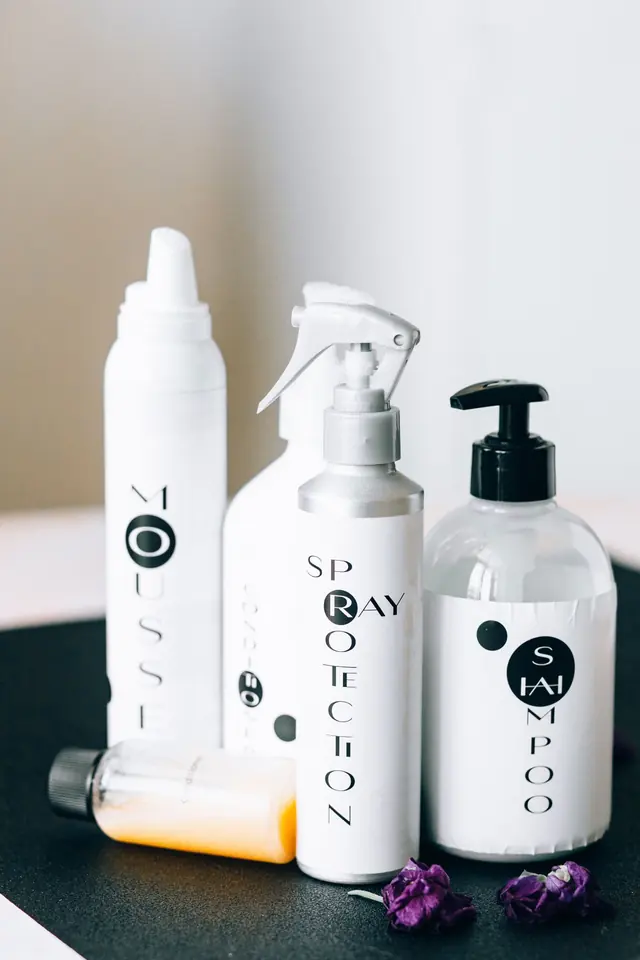
Shampoo guides by type
Anti-Dandruff Shampoo
An anti-dandruff shampoo manufacturer adds a scalp-active such as zinc pyrithione or climbazole to a mild cleansing base and checks it stays stable.
See the range →Sulfate-Free Shampoo
A sulfate-free shampoo manufacturer replaces sodium lauryl sulfates with milder surfactants and rebuilds the foam and thickness with other ingredients.
See the range →Onion Shampoo
An onion shampoo manufacturer builds a mild cleansing base around onion extract or onion seed oil and manages the smell with a suitable fragrance.
See the range →Keratin Shampoo
A keratin shampoo manufacturer adds hydrolysed keratin and conditioning agents to a mild cleansing base to improve the feel of frizzy, damaged hair.
See the range →Anti-Hair-Fall Shampoo
An anti-hair-fall shampoo manufacturer builds a mild base and adds actives such as caffeine, biotin or peptides to support strong-looking hair and reduce breakage.
See the range →Which shampoo should your brand start with?
Shampoo is the highest-volume product in hair care and the most crowded. A brand that wins does it with a clear customer, not a long list of variants. The five shampoos below are the ones Indian customers search for by name, and each has its own page.
| Shampoo | Customer concern | What decides the formula |
|---|---|---|
| Anti-dandruff shampoo | Flakes and itchy scalp | The anti-dandruff active, and whether the claim stays cosmetic |
| Sulfate-free shampoo | Dry, coloured or sensitive hair | The surfactant blend, since foam and thickness are harder without sulfates |
| Onion shampoo | Hair fall, dull hair | Extract form and a fragrance that handles the onion smell |
| Keratin shampoo | Frizz, rough and damaged hair | Hydrolysed protein quality and how much it builds up |
| Anti-hair-fall shampoo | Breakage and thinning | The honest claim, plus the actives behind it |
If you are unsure, a daily-use shampoo for normal hair is the safest first product. Add a targeted shampoo once you know which concern your customers raise most.
The surfactant system is the shampoo
Surfactants do the cleaning, make the foam and set how gentle the shampoo feels. Everything else, from actives to fragrance, sits on top of this base.
| Base type | Typical surfactants | Result |
|---|---|---|
| Sulfate-based | Sodium lauryl ether sulfate with cocamidopropyl betaine | Rich foam, strong cleaning, easy to thicken, lowest cost |
| Mild sulfate blend | Ether sulfate at a lower level with betaine and a mild co-surfactant | Softer feel, still easy to make thick |
| Sulfate-free | Coco glucoside, sodium cocoyl isethionate, disodium cocoyl glutamate or similar | Gentler on the scalp, lighter foam, needs careful thickening |
The cleansing base also decides your price. A sulfate-free base costs more to make and is harder to keep thick, so choose it only when your customer will pay for it.
What turns a cleanser into a shampoo people reorder
A plain cleansing base can leave hair squeaky. Conditioning ingredients make hair easy to comb after the wash, and fragrance sets the memory of the product.
Shampoo pack formats
| Pack | Good for | Watch out for |
|---|---|---|
| Bottle with flip-top cap, 100 to 250 ml | Retail shelves and quick-commerce | Check the cap seals when the shampoo is thin |
| Bottle with pump, 250 to 500 ml | Salon back-bars and premium positioning | Pump fit must match the shampoo thickness |
| Pouch or sachet, 5 to 10 ml | Trials, travel and mass-market distribution | Needs a different filling line and a thicker product |
Tell us your channel at the brief stage. A shampoo meant for a pump bottle is made thinner than one meant for a squeezable sachet.
From brief to a shampoo you can sell
We start with the customer. A shampoo for coloured urban hair is a different project from one for rural mass-market buyers, even though both are shampoo on the shelf. Our R&D team proposes a surfactant system, a conditioning approach and a thickness target, then makes the first sample.
You wash with it, and so should a few friendly customers. Their feedback on foam, rinse and fragrance guides the second sample. We then lock the formula and run stability checks in your bottle.
Where shampoo fits in your range
Shampoo is a repeat purchase, which makes it good for subscription and refill models. It is also the entry point for conditioner, mask and oil, since customers trust a brand once the first wash works.
Read how to choose a hero product and build a first range before you decide on the variants.
MOQ and lead time for shampoo
| Route | Minimum order | Typical timeline |
|---|---|---|
| Private label (ready formula under your brand) | 1,000 units | 4 to 6 weeks |
| Third-party (our lab makes your custom formula) | 2,000 units | 6 to 8 weeks |
| Bulk manufacturing | 5,000 units | Quoted per order |
Samples are free and you pay shipping only. Request a sample once you have decided the product and the pack. Price depends on the formula, the pack and the quantity, so we quote after the brief. Read how to price your product before you fix a selling price. See how it works for the steps from brief to delivery.
What is in a shampoo, and what each ingredient does
| Ingredient (INCI) | Role | Note for your brief |
|---|---|---|
| Aqua | The base, usually more than half the formula | Water quality and preservation matter |
| Sodium laureth sulfate, cocamidopropyl betaine | Main cleansing and foaming agents | The classic pair; betaine softens the sulfate |
| Coco glucoside, sodium cocoyl isethionate | Mild cleansing agents | Used in sulfate-free bases |
| Guar hydroxypropyltrimonium chloride, polyquaternium | Conditioning polymers | Give combing ease and a soft feel |
| Glycol distearate, PEG-150 distearate | Pearlising and thickening | Decide whether the shampoo is clear or pearl |
| Dimethicone, panthenol, hydrolysed protein | Slip, shine, strength feel | Silicone-free brands drop dimethicone |
| Citric acid, sodium hydroxide | pH adjusters | Shampoo pH is usually set in the mildly acidic range |
| Phenoxyethanol, sodium benzoate or similar | Preservative system | Must work in the chosen pH and surfactants |
Customers who read labels count the first five ingredients, so decide what you want them to see.
What we check before a shampoo is signed off
Read more about the process in our guide to stability testing for cosmetics.
Five mistakes first-time shampoo brands make
What to tell us when you ask for a shampoo
Our R&D team replies with a formula direction and sampling plan. See private label and third-party manufacturing for how the routes differ.
Shampoo: common questions
What is the minimum order for a shampoo?
Private label shampoos start at 1,000 units. Third-party manufacturing, where our lab develops a formula for you, starts at 2,000 units.
Should my first shampoo be targeted or general?
A targeted shampoo, such as anti-dandruff, gives you a clearer story. A general shampoo is easier to sell to everyone but harder to stand out.
Can you make a shampoo with a custom fragrance?
Yes. Fragrance is one of the choices you make with private label or third-party manufacturing, and we test it in the base.
How long does shampoo development take?
Private label takes 4 to 6 weeks and third-party takes 6 to 8 weeks. A new formula needs sampling rounds and stability results.
Do you share the ingredient list?
Yes. The INCI list and the formula you commission are yours to use on your label, as agreed in writing.
Can I launch a shampoo and conditioner together?
Yes, and it is a common first range. They share fragrance and branding.
Can I make sachets?
Ask us at the brief stage. Sachets need a thicker formula and a different filling setup.
Planning a shampoo?
Tell us the active, the pack and the quantity. Free samples, you pay shipping only.