Moisturiser Manufacturer in India
A moisturiser manufacturer balances humectants, emollients and occlusives into a gel, lotion or cream suited to the skin type. Formuluxe makes moisturisers from 1,000 units under private label.
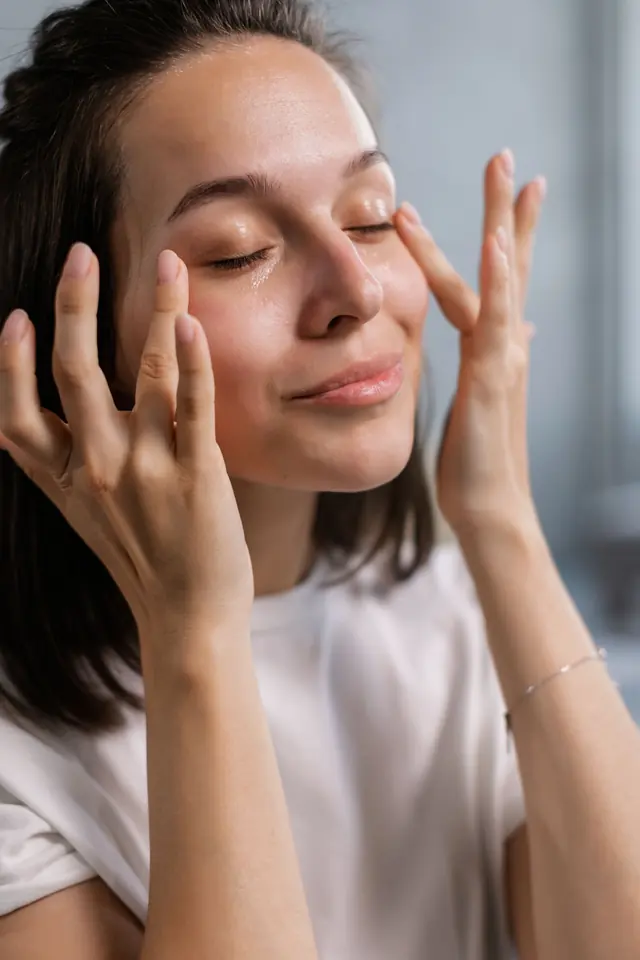
Moisturiser types
| Type | Skin type | Texture |
|---|---|---|
| Gel moisturiser | Oily, combination | Water-light, absorbs fast |
| Lotion | Normal, mild dryness | Pourable, spreadable |
| Cream | Dry skin | Thick, protective |
| Barrier cream | Dry, sensitive or damaged | Ceramides, cholesterol, fatty acids |
Humectant, emollient, occlusive
A moisturiser works in three ways at once. Humectants such as glycerin, hyaluronic acid and urea draw water. Emollients such as squalane, esters and plant oils soften. Occlusives such as shea butter, petrolatum and dimethicone seal water in.
Tubes, jars and pumps
Pumps suit lotions and gels, jars suit creams. A pump is more hygienic and doses better. Tubes work for travel-size and trial packs.
How a moisturiser is developed
We choose the texture by skin type and climate, then build the humectant, emollient and occlusive balance around it. A gel moisturiser for oily skin uses more humectant and no heavy butters; a barrier cream for dry skin uses ceramides and occlusives.
Every moisturiser then goes through spreadability, absorption and stability tests, plus a check that the pack doses the right amount. A pump that delivers too little makes the product feel poor, and one that delivers too much makes it feel expensive.
Fragrance is optional. A fragrance-free version tends to sell better to sensitive customers.
Moisturiser as the anchor product
The moisturiser is the product customers use daily and reorder on a schedule. Make it the anchor of your range, with a clear skin-type label: oily, normal, dry, sensitive.
Reviews for moisturisers are about feel, so invest in texture, not just ingredients.
MOQ and lead time for moisturiser
| Route | Minimum order | Typical timeline |
|---|---|---|
| Private label (ready formula under your brand) | 1,000 units | 4 to 6 weeks |
| Third-party (our lab makes your custom formula) | 2,000 units | 6 to 8 weeks |
| Bulk manufacturing | 5,000 units | Quoted per order |
Samples are free and you pay shipping only. Request a sample once you have decided the product and the pack. Price depends on the formula, the pack and the quantity, so we quote after the brief. Read how to price your product before you fix a selling price. See how it works for the steps from brief to delivery.
Inside a moisturiser
| Ingredient (INCI) | Role | Note |
|---|---|---|
| Glycerin, urea | Humectants | Urea also softens rough skin |
| Squalane, caprylic/capric triglyceride | Emollients | Light, non-greasy |
| Shea butter, petrolatum, dimethicone | Occlusives | Seal moisture |
| Ceramides, cholesterol | Barrier repair | For sensitive skin lines |
| Niacinamide, panthenol | Barrier support | Comfort |
| Preservative | Microbial safety | Essential in water-rich formulas |
What we test
Common errors
Moisturiser in a range
Anchor your range with a moisturiser and surround it with a face wash, a hyaluronic acid serum and a sunscreen.
Moisturiser: common questions
What is the difference between a lotion and a cream?
Lotions are thinner with more water. Creams are thicker with more oil.
Can I make a moisturiser for sensitive skin?
Yes, fragrance-free with a short ingredient list.
Do I need SPF in my moisturiser?
Not necessarily. A separate sunscreen is more reliable.
Do oily skin types need moisturiser?
Yes, a light gel.
Can I make a body lotion?
Yes, see body care.
Is a gel moisturiser enough in winter?
Dry skin may need a cream.
What sizes sell best?
50 g to 100 g for face.
Planning a moisturiser?
Tell us the active, the pack and the quantity. Free samples, you pay shipping only.